Difference Between Gas Pain and Heart Attack – Symptoms, Causes & When to Worry
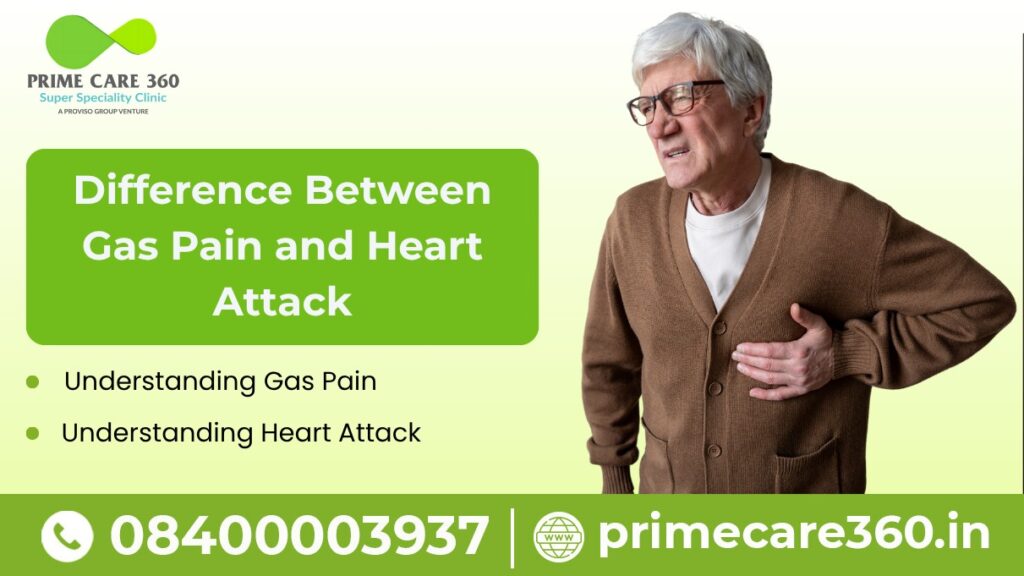
Difference Between Gas Pain and Heart Attack – Symptoms, Causes & When to Worry Chest pain can be worrying. Many people are unsure whether the discomfort they feel is just gas or something more serious like a heart attack. Understanding the difference between gas pain and heart attack is crucial to avoid unnecessary panic or, more importantly, to prevent dangerous delays in seeking help. In this blog, we will explain gas pain, heart attacks, their causes, symptoms, and what to do when you experience chest pain. Understanding Gas Pain Gas pain is a common problem that occurs when the digestive system traps gas in the stomach or intestines. It can sometimes cause discomfort in the chest, making it easy to confuse with heart problems. Gas pain is generally harmless and temporary, but it can feel sharp or pressing. Gas builds up in the digestive system due to swallowed air, certain foods, or difficulty digesting meals. When gas accumulates, it stretches the stomach or intestines, creating pressure and discomfort. What Causes Gas Pain? Gas pain can occur due to several reasons such as swallowing air while eating or drinking too quickly, eating gas-producing foods like beans, cabbage, or carbonated drinks, indigestion or acid reflux, and constipation that traps gas in the intestines. How Does Gas Pain Occur in the Chest? Sometimes, gas can rise into the upper stomach or esophagus, causing a sensation of tightness or pressure in the chest. This may feel similar to heart discomfort, but the pain often changes with movement, burping, or adjusting posture. Common Symptoms of Gas Pain Gas pain can include sharp or crampy pain in the upper abdomen or chest, bloating and fullness, belching or passing gas, pain that improves after burping or passing gas, and discomfort that comes and goes. Recognizing Gas Pain Symptoms Gas pain usually appears suddenly and may last for a few minutes to several hours. Unlike heart attacks, gas pain often moves around the stomach or chest, feels better after changing position, and improves after eating, burping, or passing gas. If gas pain becomes frequent or severe, a doctor should evaluate it to rule out other problems. What Are the Treatment Options for Gas Pain in the Chest? Most gas pain can be managed at home with simple remedies. Applying a warm compress to the stomach can relax muscles and reduce discomfort. Over-the-counter medicines such as antacids or simethicone can relieve gas buildup. Gentle movement, like walking or light stretching, helps move trapped gas. Eating slowly, chewing food properly, and avoiding carbonated drinks can prevent gas. If pain persists despite these measures, medical evaluation is necessary to rule out other conditions, including heart issues. When Gas Pain Can Mimic Heart Issues Gas pain can sometimes feel like a heart attack. Common overlaps include chest tightness or pressure, pain radiating to the back or shoulder, shortness of breath, and nausea. The key difference is that gas pain often changes with posture, burping, or eating, while heart attack pain does not. However, any severe chest pain should be checked immediately to rule out heart problems. Understanding Heart Attack A heart attack, also called a myocardial infarction, happens when the blood flow to the heart muscle is blocked. This prevents oxygen from reaching the heart, causing permanent damage if not treated promptly. Heart attacks can be life-threatening, so recognizing the warning signs is critical. Heart attacks are usually caused by blockages in the coronary arteries, often due to plaque buildup from high cholesterol, high blood pressure, or lifestyle factors like smoking and poor diet. What Causes a Heart Attack? Some common causes include atherosclerosis, which is the hardening and narrowing of the arteries due to plaque, blood clots that can block blood flow to the heart, and severe spasm of a coronary artery, often triggered by smoking or stress. Other risk factors include diabetes, obesity, family history, and a sedentary lifestyle. How Does a Heart Attack Occur? When an artery supplying blood to the heart becomes blocked, the heart muscle is deprived of oxygen. This causes intense pain, pressure, or a burning sensation in the chest. If untreated, heart muscle can be permanently damaged, affecting heart function. Common Symptoms of a Heart Attack Symptoms include severe, constant chest pain or pressure, pain radiating to the left arm, jaw, neck, or back, shortness of breath, sweating, dizziness, nausea, and feeling faint or anxious. Unlike gas pain, heart attack symptoms do not improve with burping, changing position, or passing gas. Key Differences Between Gas Pain and Heart Attack Knowing the differences can help you respond quickly. Gas pain usually occurs in the upper abdomen or chest, feels crampy or sharp, lasts minutes to hours, and improves after burping or changing posture. Heart attack pain is heavy, pressing, persistent, often radiates to the arm, jaw, or back, and is accompanied by sweating, dizziness, or nausea. Understanding these differences can save lives. When in doubt, always seek professional medical help. Gas Pain vs Heart Attack – Comparison Table To summarize, gas pain is temporary, relieved with burping, bloating is common, and discomfort is mild. Heart attack pain is serious, constant, associated with sweating, nausea, and shortness of breath. Recognizing the difference is crucial for safety. Preventing Heart Attacks and Managing Gas Pain Healthy habits can reduce both heart problems and digestive discomfort. Eating small, frequent meals can prevent gas buildup. Avoid fried, oily, and carbonated foods, and include fiber-rich foods to improve digestion. Exercise regularly to maintain heart health, avoid smoking, limit alcohol, and manage stress through relaxation techniques. Simple changes in daily life can prevent gas pain episodes and lower the risk of heart attacks. Modifications to Diet and Lifestyle Eating slowly, chewing food properly, avoiding gas-producing foods, and drinking plenty of water can prevent gas pain. Maintaining a balanced diet, exercising, and managing stress can reduce the risk of heart attacks. When to Seek Medical Attention for Gas Pain and Heart Attack For gas pain, see a doctor if the pain is severe,
Tuberculosis Diet: Foods to Eat, Avoid & Recovery Tips

Tuberculosis Diet Plan for Faster Recovery: Expert Nutrition Tips Tuberculosis (TB) is a serious but treatable disease that mainly affects the lungs. While medicines play a major role in curing TB, what you eat every day also makes a big difference in how fast your body heals. A good tuberculosis diet gives your body the power to fight infection, rebuild strength, and recover quickly. At Prime Care 360, we believe that the right food acts like medicine. In this guide, we’ll help you understand what foods are best for TB patients, what to avoid, and how nutrition supports your recovery. Everything is kept simple so even young readers can understand it easily. What to Eat in Tuberculosis When fighting TB, your body needs more energy and nutrients than usual. Eating well can help repair tissues damaged by infection, boost immunity, and reduce tiredness. Here are some key food groups that make a healthy tuberculosis diet: Proteins: Eggs, fish, chicken, milk, pulses, nuts, and lentils help repair tissues and build muscles. Carbohydrates: Rice, whole grains, and potatoes provide the energy your body needs to recover. Healthy fats: Use olive oil, ghee, or nuts to add healthy calories. Vitamins and minerals: Fruits and vegetables supply vital nutrients that strengthen your immune system. Tip: Eat small, frequent meals every 3–4 hours to keep your energy levels steady. What to Avoid in Tuberculosis While some foods can help, others can make your recovery harder. Avoiding these can prevent complications and support your TB treatment. Avoid processed foods: Junk food, chips, and soft drinks contain empty calories and no nutrients. Cut down on sugar: Too much sugar weakens your immune system. Say no to alcohol and tobacco: These slow down recovery and interfere with medications. Limit caffeine: Too much tea or coffee can reduce your body’s absorption of key minerals. Keeping your meals clean, home-cooked, and nutrient-rich helps your body focus on healing. Nutritional Requirements for TB Recovery TB patients need more nutrients than healthy people because their bodies work harder to fight infection. Calories: TB increases metabolism, so extra calories are needed for energy. Protein: Helps rebuild tissues and restore muscle mass lost during illness. Micronutrients: Iron, zinc, vitamin C, D, and A are essential for faster healing. Fluids: Drink enough water, soups, and juices to stay hydrated and flush out toxins. Six Best Vegetables for TB Patients Vegetables give your body fiber, vitamins, and minerals that support recovery. Here are the six best vegetables for TB patients: Spinach: Rich in iron, calcium, and vitamin A for stronger immunity. Carrots: High in beta-carotene, which protects your lungs. Broccoli: Packed with vitamin C and antioxidants. Beetroot: Helps improve blood health and energy. Pumpkin: Boosts immunity and digestion. Sweet potatoes: Great source of energy and vitamin A. Try adding these to soups, salads, or stir-fries for variety and nutrition. Top Seven Best Fruits for TB Patients Fruits are nature’s power boosters. They are full of vitamins, minerals, and natural sugars that provide quick energy. Oranges: Full of vitamin C to strengthen immunity. Guava: Rich in antioxidants that help fight infection. Bananas: Provide energy and help manage weight loss in TB. Apples: Support overall health and digestion. Papaya: Aids in digestion and improves appetite. Pomegranate: Helps in blood purification and energy recovery. Berries: Loaded with antioxidants that protect the body’s cells. Eat 2–3 servings of fruits daily for best results. The Role of Micronutrients in a Tuberculosis Diet Even though micronutrients are needed in small amounts, they play a big role in recovery. They strengthen the immune system and help the body fight infection. Vitamin A: Repairs lung tissue and boosts immunity. Vitamin C: Speeds up healing and helps absorb iron. Vitamin D: Works with calcium for strong bones and better immune response. Iron: Prevents anemia and keeps energy levels high. Zinc and selenium: Help the body fight infection more effectively. You can get these micronutrients from fruits, vegetables, eggs, nuts, and dairy products. Medication and Health Checkups A healthy diet goes hand in hand with proper medication and regular health monitoring. Never skip your TB medicines, even if you start feeling better. Missing doses can make the bacteria resistant and harder to treat. At Prime Care 360, we provide complete health checkups, nutritional guidance, and medication support to ensure patients recover fully and safely. Always discuss any diet changes or supplements with your doctor to avoid interference with medicines. Why Is Protein So Important in a TB Diet? Protein is one of the most essential nutrients for TB recovery. When you have tuberculosis, your body loses muscle and weight rapidly. Protein helps: Repair damaged tissues Build new muscle mass Boost the immune system Speed up recovery Include protein-rich foods like eggs, fish, milk, soybeans, and legumes in your meals daily. Can Vitamins and Minerals Help Fight TB? Yes! Vitamins and minerals are the building blocks of strong immunity. Deficiency in these can slow down recovery or make you more prone to infections. For example: Vitamin C helps fight oxidative stress. Vitamin D helps your body absorb calcium and strengthen immunity. Iron and zinc help red blood cells carry oxygen efficiently. Eating a colorful variety of fruits, vegetables, and nuts ensures a balanced mix of these nutrients. What Are the Best Foods to Eat to Boost Immunity? To fight TB bacteria, your immune system needs a strong defense. Include these foods for natural immunity boosting: Citrus fruits like oranges and lemons Ginger and garlic for antibacterial properties Turmeric for anti-inflammatory benefits Yogurt for healthy gut bacteria Green leafy vegetables for vitamins and minerals These foods not only protect you from infections but also speed up healing. Should TB Patients Eat High-Calorie Foods? Yes, but smartly. TB patients often lose weight quickly due to poor appetite and higher energy use. Adding healthy, high-calorie foods helps the body regain strength without unhealthy fats. Include: Nuts, seeds, peanut butter Whole milk and dairy Whole grains and ghee Smoothies with fruits and yogurt Avoid deep-fried or junk foods
Indian Diet Plan for Weight Loss: Healthy & Effective Weight Loss Tips

Indian Diet Plan for Weight Loss: Effective Tips and Plans for Healthy Weight Loss Losing weight doesn’t mean starving yourself or giving up the foods you love. With the right Indian diet plan for weight loss, you can enjoy nutritious meals while shedding extra kilos in a safe, healthy way. At Primecare 360, we design diet plans that are practical, effective, and easy to follow. In this guide, you will learn how to structure your meals, understand the science behind weight loss, and follow an Indian diet plan tailored to your needs. Effective Dieting Plan for Weight Loss A good diet plan balances nutrition, portion control, and calorie intake. The main goal is gradual, sustainable weight loss rather than quick fixes that can harm your health. Protein-rich foods: Include lentils, beans, eggs, paneer, chicken, and fish. Protein helps build muscle and keeps you full. Complex carbohydrates: Opt for brown rice, oats, whole wheat chapati, and millets. These provide energy without causing sudden spikes in blood sugar. Healthy fats: Nuts, seeds, and olive oil support hormone balance and heart health. Fruits and vegetables: Provide essential vitamins, minerals, and fiber, which aid digestion and prevent overeating. The Science Behind a Healthy Weight Loss Weight loss happens when your calories consumed are fewer than calories burned. But simply eating less is not enough. A healthy diet ensures your body receives essential nutrients, maintains metabolism, and supports energy levels. Balanced meals help prevent nutrient deficiencies. Fiber-rich foods keep you full and improve digestion. Avoiding processed foods reduces hidden sugars and unhealthy fats that can hinder weight loss. Understanding Weight Loss and Nutrition Nutrition is the key to losing weight safely. It’s not about skipping meals but making smart food choices: Eat whole grains instead of refined carbs. Choose lean proteins to support muscle growth. Include healthy fats for energy and satiety. Drink plenty of water to stay hydrated and support metabolism. Understanding these basics helps you create a diet plan that works for your body. Components of an Effective Dieting Plan A complete diet plan should focus on: Balanced meals: Each meal should include proteins, carbs, and vegetables. Healthy snacks: Choose nuts, fruits, or sprouts to curb hunger. Hydration: Drink 2–3 liters of water daily. Meal timing: Avoid eating too late at night; eat at regular intervals to prevent overeating. Consistency in these areas makes weight loss more effective and sustainable. Indian Diet Plan for Weight Loss for Men Men typically require higher calories than women, but portion control and healthy food choices are still important. A sample plan could be: Breakfast: Vegetable upma, oats porridge, or eggs with whole wheat toast Lunch: Brown rice, dal, and plenty of vegetables Evening Snack: Sprouts, roasted chickpeas, or nuts Dinner: Grilled paneer, chicken, or a vegetable stir-fry with salad This approach provides energy, supports muscle growth, and helps reduce excess fat. One-Day Indian Diet Plan for Weight Loss Here’s a simple one-day plan to follow: Morning: Warm water with lemon to kickstart metabolism Breakfast: Oats porridge with fruits or vegetable poha Mid-Morning Snack: A fresh fruit like apple or papaya Lunch: 1–2 chapatis, dal, and mixed vegetables Evening Snack: Sprouts salad or buttermilk Dinner: Light vegetable soup or stir-fried vegetables This plan keeps you full, nourished, and energized while maintaining calorie contro Indian Diet Plan Week 1 A weekly plan helps establish a routine. Focus on variety to get all nutrients: Day 1–3: Oats, whole wheat, vegetables, lentils, and fruits Day 4–6: Include millets, paneer, fish, or chicken Day 7: Light meals with plenty of vegetables, some fruits, and hydration Variety prevents boredom and ensures your body receives balanced nutrition. Why an Indian Diet Works for Weight Loss Indian foods are naturally rich in fiber, plant-based proteins, and spices: Fiber from vegetables, fruits, and whole grains helps digestion and keeps you full. Spices like turmeric, cumin, and cinnamon may boost metabolism. Protein from lentils, chickpeas, and dairy supports muscle retention while losing fat. This combination makes an Indian diet both tasty and effective. The Role of Physical Activity Diet alone is not enough for lasting results. Include: Cardio exercises: Walking, jogging, cycling, or running Strength training: Helps maintain muscle while losing fat Yoga or stretching: Improves flexibility and reduces stress Activity helps burn calories, improves metabolism, and enhances overall health. Tips While Following The Indian Diet Plan For Weight Loss Avoid fried and processed foods. Eat mindfully and slowly to prevent overeating. Drink enough water throughout the day. Include small, frequent meals instead of large portions. Track progress but avoid stress about minor fluctuations. Common Myths and Facts About Weight Loss Myths Skipping meals helps you lose weight faster. Carbs are bad for weight loss. Fat-free products are always healthy. Facts: Balanced nutrition is better than skipping meals. Whole grains are beneficial and provide energy. Healthy fats are essential for hormones and satiety. Why Targeting Slow & Sustainable Weight Loss is Good for Your Health Rapid weight loss can lead to muscle loss, fatigue, and nutrient deficiencies. Slow and steady weight loss (0.5–1 kg per week) is: Safer for your body Easier to maintain long-term Better for metabolic health This approach helps you keep the weight off without harming your health. Why Choose Primecare 360? At Primecare 360, we provide a complete, personalized weight loss program. Our team includes experienced nutritionists who create meal plans tailored to your body type, lifestyle, and goals. They guide you on portion control, nutrient balance, and healthy Indian foods, ensuring safe and sustainable weight loss. We also offer support for integrating physical activity into your daily routine, monitor progress closely, and adjust plans as needed. By combining expert advice from nutritionists and doctors, Primecare 360 ensures that your weight loss journey is effective, safe, and holistic, focusing not just on losing weight but on overall health, energy, and well-being. Conclusion A healthy Indian diet plan for weight loss can help you achieve your goals without starving yourself. Combining balanced nutrition, regular physical activity, and proper guidance from qualified nutritionists
Which size of fibroid is dangerous

Understanding Fibroid Size: When Is a Fibroid Dangerous? Uterine fibroids are common growths in the uterus, especially among women in their reproductive years. While many fibroids are harmless, some can grow large enough to cause pain, heavy bleeding, or complications during pregnancy. At Prime Care 360 Multi-Speciality Clinic in Seawoods, women often ask, “Which size of fibroid is dangerous?” This blog explains fibroid sizes, associated risks, symptoms, and treatment options in clear, simple language so every woman can understand when to seek medical care. What Are Fibroids? Fibroids, also called uterine leiomyomas, are non-cancerous growths that develop from the muscle tissue of the uterus. They can appear as a single growth or multiple tumors. Many fibroids are small and do not cause symptoms, but larger fibroids may distort the uterus or press on nearby organs, leading to discomfort or health issues. Studies show that over 50% of women may develop fibroids at some point in life. Types of Fibroids Fibroids are classified according to their location in the uterus: Intramural fibroids develop within the uterine wall and are the most common type. Subserosal fibroids grow on the outer surface of the uterus, sometimes pressing on nearby organs. Submucosal fibroids form just under the inner lining of the uterus and often lead to heavy bleeding or fertility problems. Pedunculated fibroids grow on a stalk attached to the uterus and may twist, causing pain. When Fibroids Become Concerning Many small fibroids do not require treatment. Fibroids become concerning when they grow rapidly or cause noticeable symptoms, such as heavy or prolonged menstrual bleeding, pelvic pain or pressure, frequent urination, difficulty conceiving, or constipation. Experiencing any of these symptoms warrants consultation with a gynecologist in Seawoods. Factors Affecting Fibroid Growth Fibroid growth is influenced by several factors. Hormones like estrogen and progesterone play a major role. Genetics may also predispose women to fibroids if family members have had them. Lifestyle factors such as obesity, poor diet, and stress can contribute, and age is significant, with women aged 30–50 being most commonly affected. Environmental factors, including exposure to hormone-like chemicals such as BPA, may also stimulate growth. Understanding Fibroid Sizes and Their Impact Fibroids can vary greatly in size, from small growths that may go unnoticed to larger ones that can significantly affect a woman’s health. The impact of a fibroid depends not just on its size but also on its location and growth rate. Larger fibroids are more likely to cause symptoms such as pelvic pressure, frequent urination, constipation, heavy menstrual bleeding, or discomfort during daily activities. Health Risks Linked to Fibroid Size The risks associated with fibroids depend on both size and location. Small fibroids often go unnoticed, whereas larger fibroids can press on surrounding organs, causing frequent urination, constipation, bloating, or pelvic discomfort. Fibroids larger than 5 cm may start to interfere with daily activities, and those over 10 cm usually require medical attention to prevent severe symptoms. Common and Uncommon Symptoms of Fibroids Common symptoms include heavy menstrual bleeding, pelvic or lower back pain, abdominal bloating, frequent urination, and discomfort during sexual intercourse. Uncommon symptoms may involve difficulty conceiving, repeated miscarriages, anemia from excessive bleeding, or noticeable abdominal enlargement. Symptom severity often correlates with fibroid size and location within the uterus. Causes of Fibroids Fibroids develop due to a combination of factors: Hormonal imbalance, particularly high estrogen levels Genetic predisposition Lifestyle factors, including obesity and poor diet Early onset of menstruation Vitamin D deficiency Though the precise cause is not fully understood, these factors are commonly linked to fibroid growth. When Fibroid Size Becomes a Concern Fibroid size becomes worrisome when it affects health or fertility. Medical attention is recommended if fibroids grow rapidly, exceed 5 cm, cause severe pain or heavy bleeding, or press on the bladder or intestines. Women who are pregnant or planning pregnancy should also seek guidance if fibroids are present. Even smaller fibroids can be problematic if located near the uterine lining or fertility-related areas. Which Size of Fibroid Is Dangerous? Fibroids larger than 10 cm are generally considered dangerous, as they can distort the uterus, cause severe menstrual bleeding, affect fertility, compress organs, and trigger persistent pelvic pain. However, smaller fibroids may also be risky if they interfere with fertility or other organ functions. Therefore, the danger depends not just on size but also on location, growth rate, and symptoms. Health Risks Linked to Fibroid Size Smaller fibroids, under 2 cm, rarely cause problems. Medium fibroids (2–5 cm) may lead to mild discomfort or irregular periods. Larger fibroids (5–10 cm) can press on the bladder or bowels, causing frequent urination, constipation, or pelvic pressure. Very large fibroids (over 10 cm) often require surgical intervention due to severe bleeding, pain, or potential fertility issues. Factors That Influence Fibroid Size Hormonal imbalances, age, body weight, and diet can affect fibroid growth. High estrogen levels, obesity, and a diet high in red meat or processed foods may accelerate growth. Maintaining a healthy diet, regular exercise, and stress management can help reduce fibroid enlargement naturally. Environmental Influences on Fibroid Growth Certain chemicals known as endocrine disruptors, found in plastics and beauty products, can mimic hormones in the body and encourage fibroid growth. Using eco-friendly products and consuming organic foods may help limit exposure to these growth-promoting substances. Fibroids and Pregnancy Complications Fibroids during pregnancy may complicate conception, cause pelvic pain, trigger early labor, or affect baby positioning. Pregnant women with fibroids require careful monitoring by specialists to ensure both maternal and fetal safety. Risks During Delivery Women with fibroids may face a higher likelihood of C-section, preterm labor, placental detachment, and postpartum bleeding. Careful prenatal monitoring at Prime Care 360 Seawoods reduces these risks and ensures safe delivery. Treatment Options Based on Size Treatment depends on fibroid size, symptoms, and future pregnancy plans. Small fibroids (<5 cm): Lifestyle changes, medication, and regular monitoring Medium to large fibroids (5–10 cm): Hormonal therapy, uterine artery embolization, or laparoscopic myomectomy Very large fibroids (>10 cm): Myomectomy or hysterectomy At Prime